Column · 8 October 2026
2 min read · 2 reads
Another fine victory: the school will no longer belong to the place of worship
On September 27, in Granby, the Parti Québécois named what Bedford had already shown: a school can no longer be the partner of a place of worship. Two days after the vote, that principle is no longer a campaign promise. It is the commitment of a government. A minority, yes. But mandated to close the door.
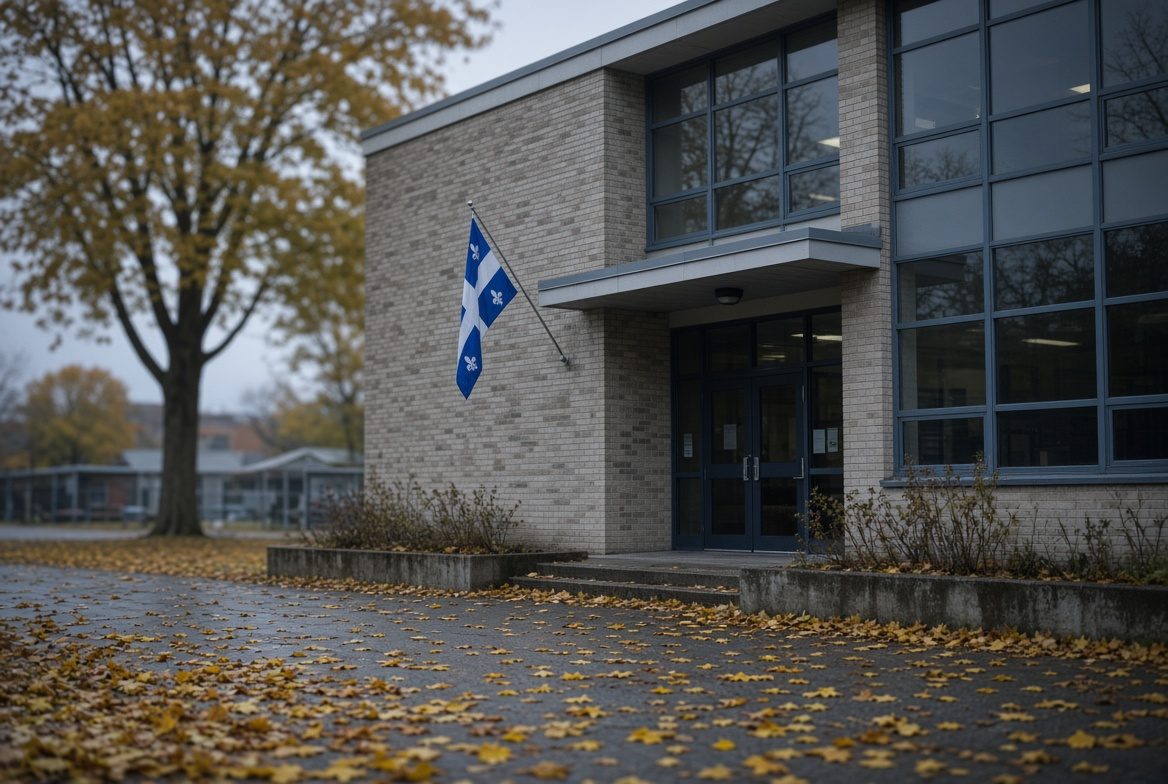
On September 27, in Granby, Paul St-Pierre Plamondon put a name to what many parents already knew and did not dare to say. Ban partnerships between schools and places of worship. Two days after the October 5 vote, the Parti Québécois is forming the government. A minority, yes: 59 seats, 28 percent of the vote, the CAQ wiped off the map. But the mandate is there. And on secularism, this is not a footnote in the platform. It is a line.
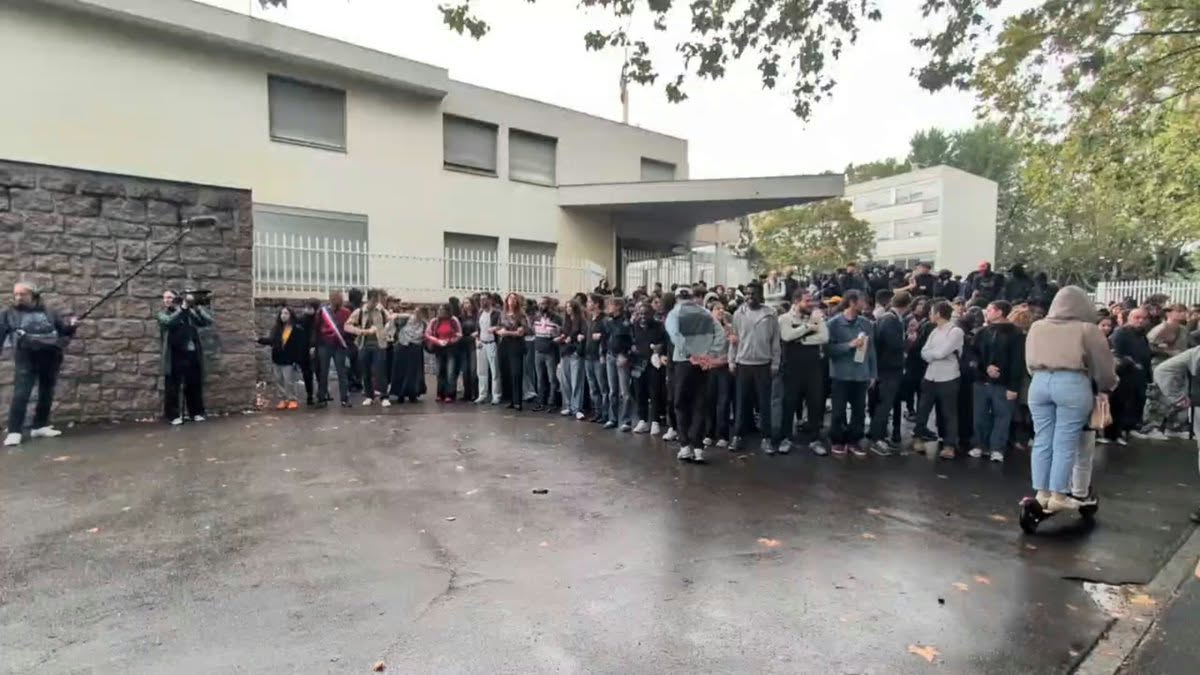
Bedford was not an accident. It was the result of a system that let worship in through the service entrance, under the convenient label of community organization. A gym lent out for prayer. A “cultural” facilitator sent by the mosque. An agreement signed between a school and a place of worship that would not say its name. The children had no choice in the setting. They were asked to learn in a place where religious pressure no longer had to hide.
The measure is simple, and that is why it unsettles people. A school will no longer be the contractual partner of a mosque, a church, a synagogue or a temple. No more school premises put at the service of worship. No more school operating inside the walls of a house of prayer. No more imam, catechist or religious facilitator coming in through a service agreement, even when repainted as a community activity. Worship remains free. It remains outside.
This does not stand alone. The same commitment cuts funding to schools that receive a tax credit as religious organizations, after the promised fiscal cleanup so as not to punish those that truly follow the ministry’s curriculum. It bans, in elementary school, clothing and symbols that make a child immediately recognizable by religion. It forces places of worship to register as such, instead of passing themselves off as community centres. It requires foreign donations to be declared. It documents entryism. It tightens youth-protection vigilance when minors are drawn into a sect.
None of this is law yet. A minority government will have to get it passed, and the opposition will look for the gap. But the principle itself has ceased to be an opinion from a podium. It has become a commitment of those who will govern. Seven years after the Act respecting the laicity of the State, Quebec is finding that Bills 21 and 94 were not enough to close the door. Bedford proved it. Granby named it. October 5 carried it into power.
A school is a place where children play together, on a common curriculum. Not a branch of a place of worship. Not a recruiting ground. Not a compromise signed between a tired administration and a structure that advances under a mask. Calling this a victory is not emphasis. It is the minimum: give the school what belongs to it, and worship what belongs to it. The two, separate. At last.