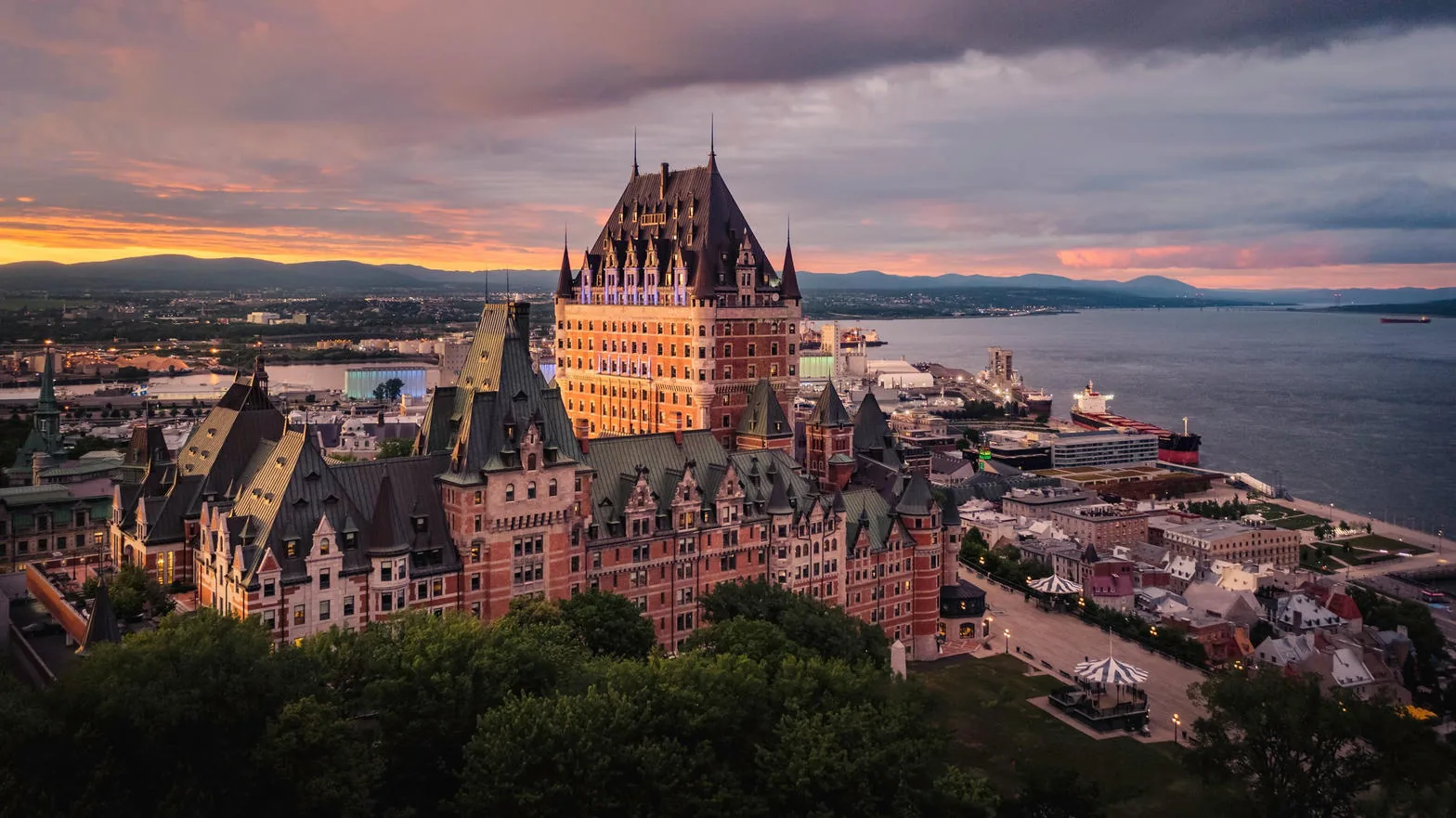
The Château Frontenac at sunset, Quebec City

Since 1608

Quebec is not a province.It is a nation.

Cartier named it. Champlain founded it. The Patriotes died for it. Duplessis held it. De Gaulle shouted it. Lévesque carried it to the ballot box. A heritage is not a museum. It is a promise to keep.

The argument

The real Canada is Quebec. Because everything begins here.

The word was born on the river. The people who carried it spoke French. Then came a Dominion, a maple leaf, a thought police, and we were told we were a region. We are not. We are the beginning. The rest is an administration.

Faces

The men who made us

Not waxworks. Men who named, founded, fought, held the line, shouted, governed. Read them. They did not live so that we would be ashamed.

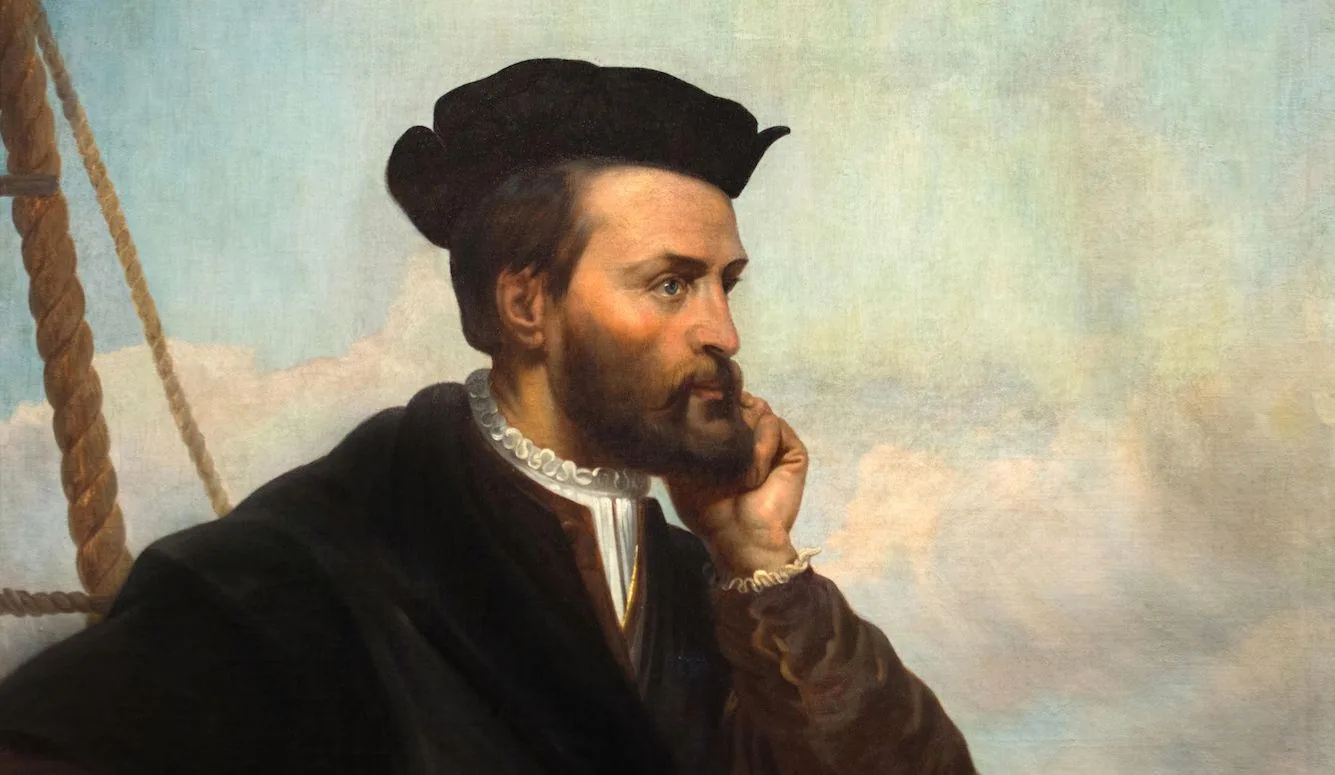
Portrait de Jacques Cartier

1534

Jacques Cartier

He names the country

The word Canada is born here.

In 1534, at Gaspé, he plants a cross. He sails up the river and winters at Stadacona — where Quebec City now stands. From the Iroquoian word kanata, village, he draws a name. That name never belonged to Ottawa. It belonged to the St. Lawrence.

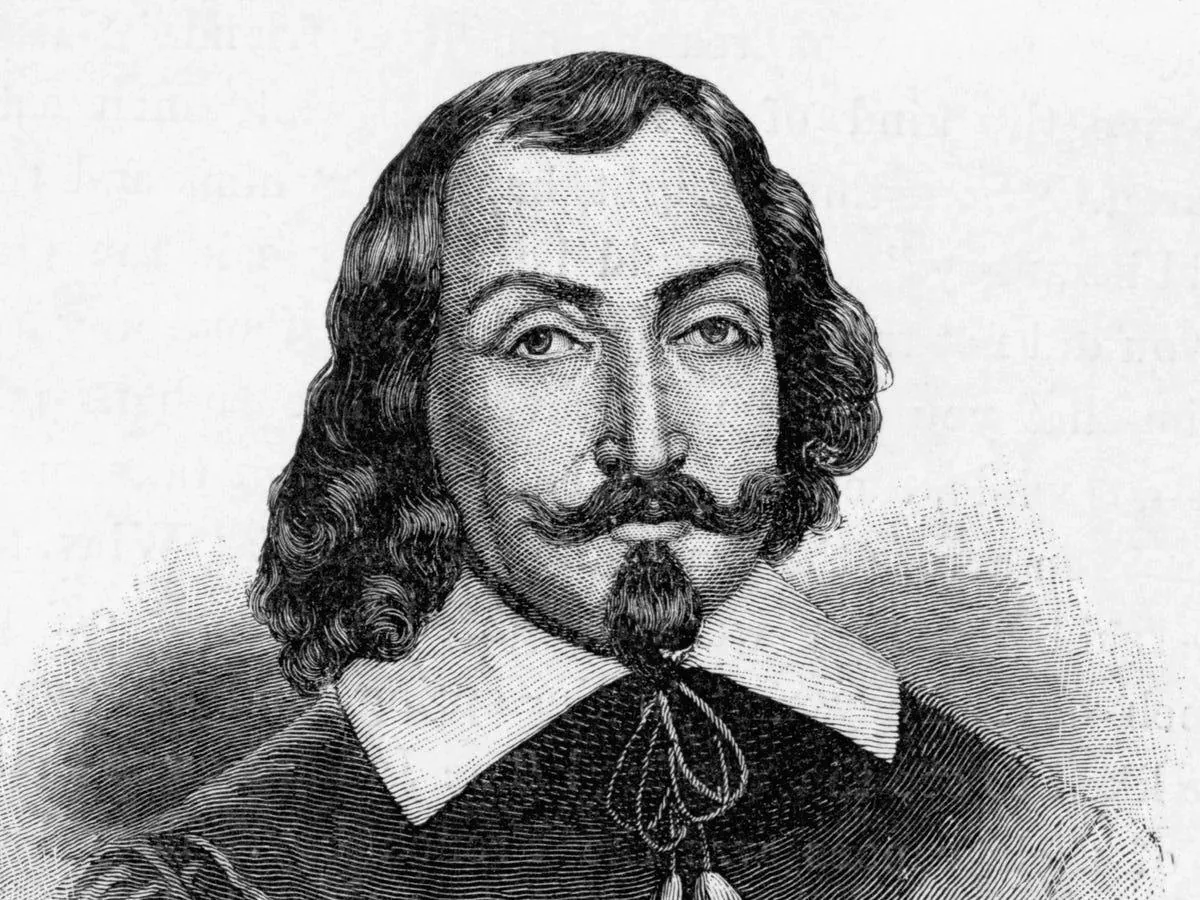
Gravure de Samuel de Champlain

1608

Samuel de Champlain

Father of New France

He does not discover. He founds.

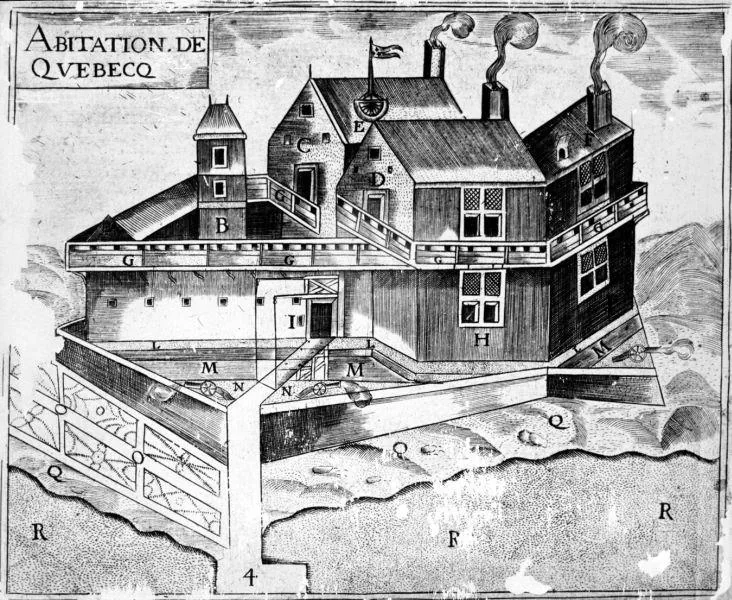
On 3 July 1608, the Habitation of Quebec rises at the foot of Cap Diamant. A palisade, cannon, a people. Four centuries later we still speak his language. A founder does not ask permission to exist.

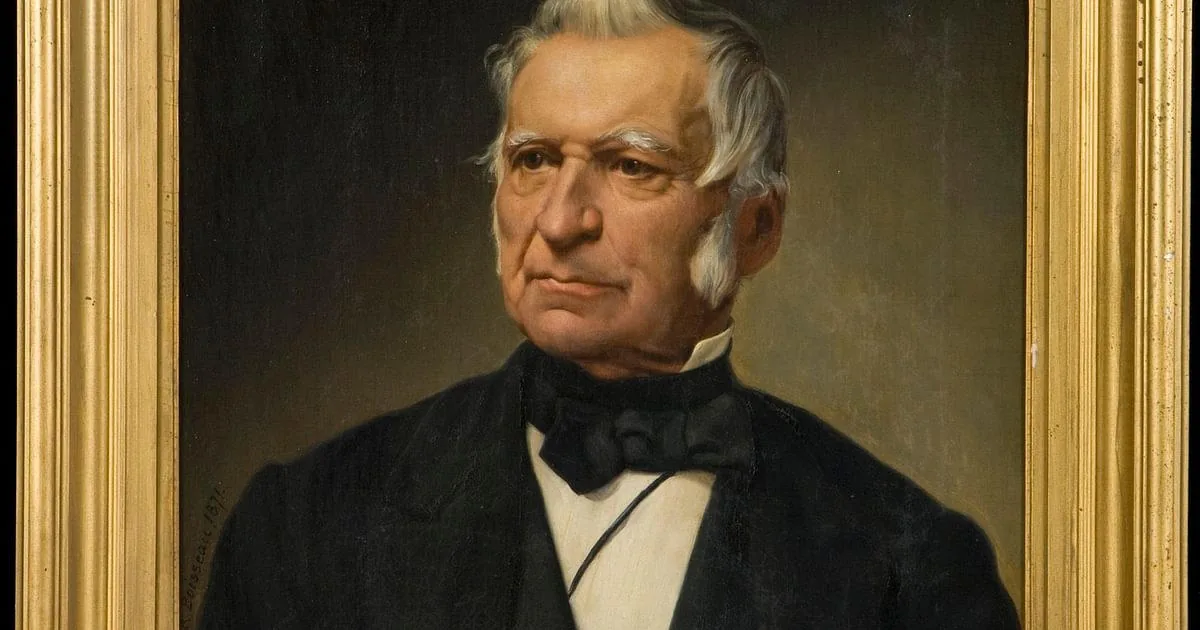
Portrait de Louis-Joseph Papineau

1837

Louis-Joseph Papineau

Voice of the Patriotes

A people that lies down is no longer a people.

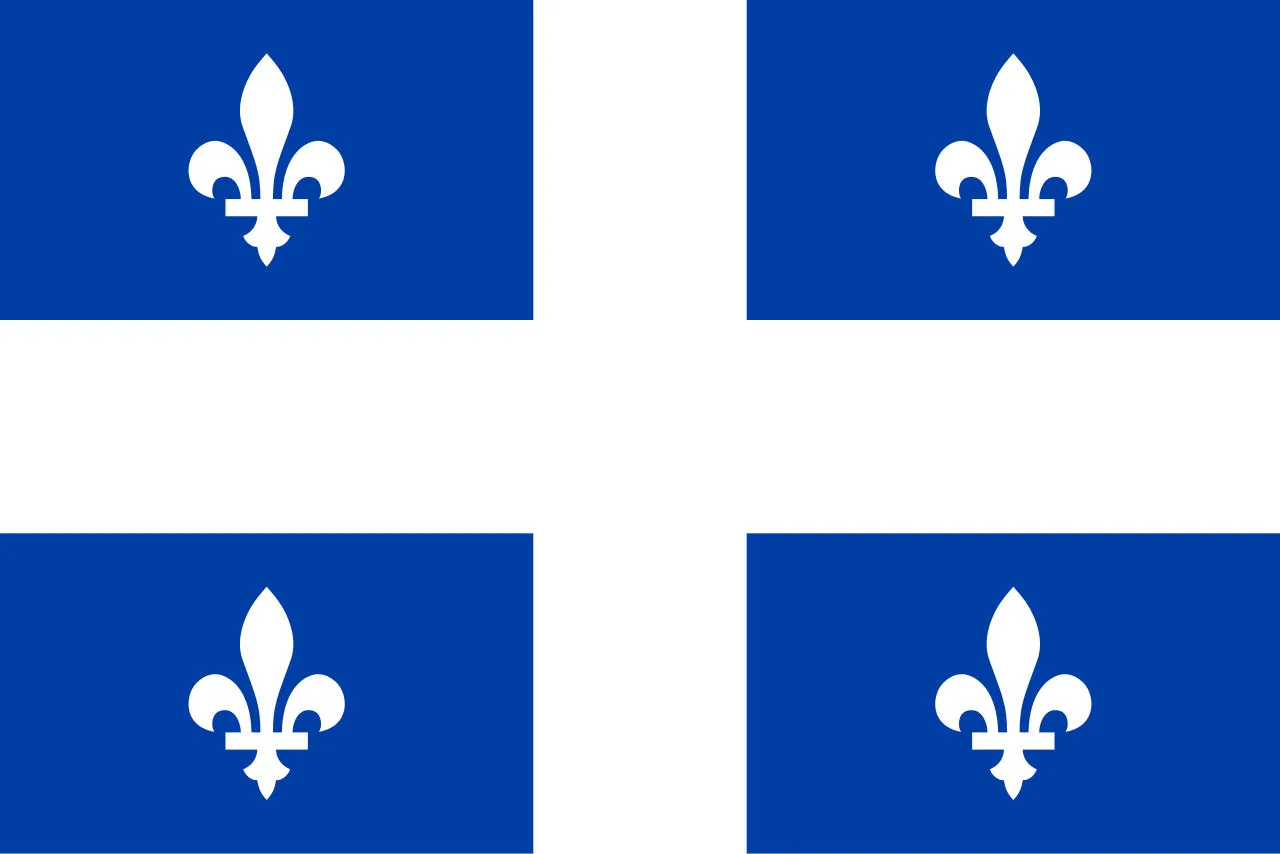
He did not invent the anger. He gave it words. The 92 Resolutions, the Assembly of the Six Counties, the green-white-red flag: a people refusing to be an administrative colony. The weapons came later. Memory never laid down its arms.

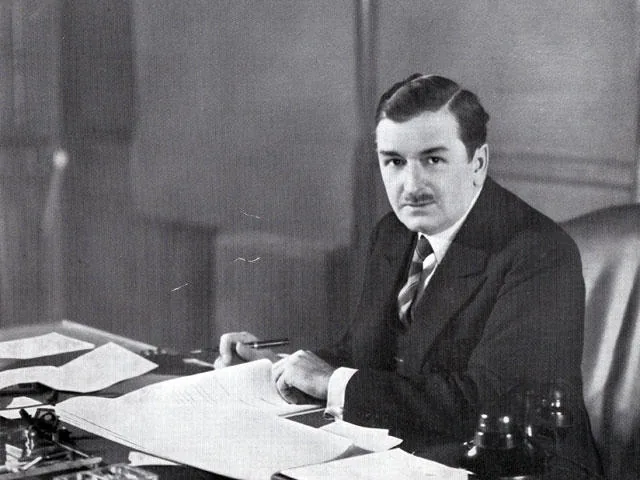
Maurice Duplessis at his desk

1936–1959

Maurice Duplessis

Leader of the Union Nationale

Autonomy is not a whim.

He was buried under the word "darkness" so that no one need read him again. Duplessis held the provincial state like a border. A provincial income tax, hydroelectricity, refusal of the federal subsidies that buy up jurisdictions. Judge him if you like. You cannot pretend he failed to understand tutelage.

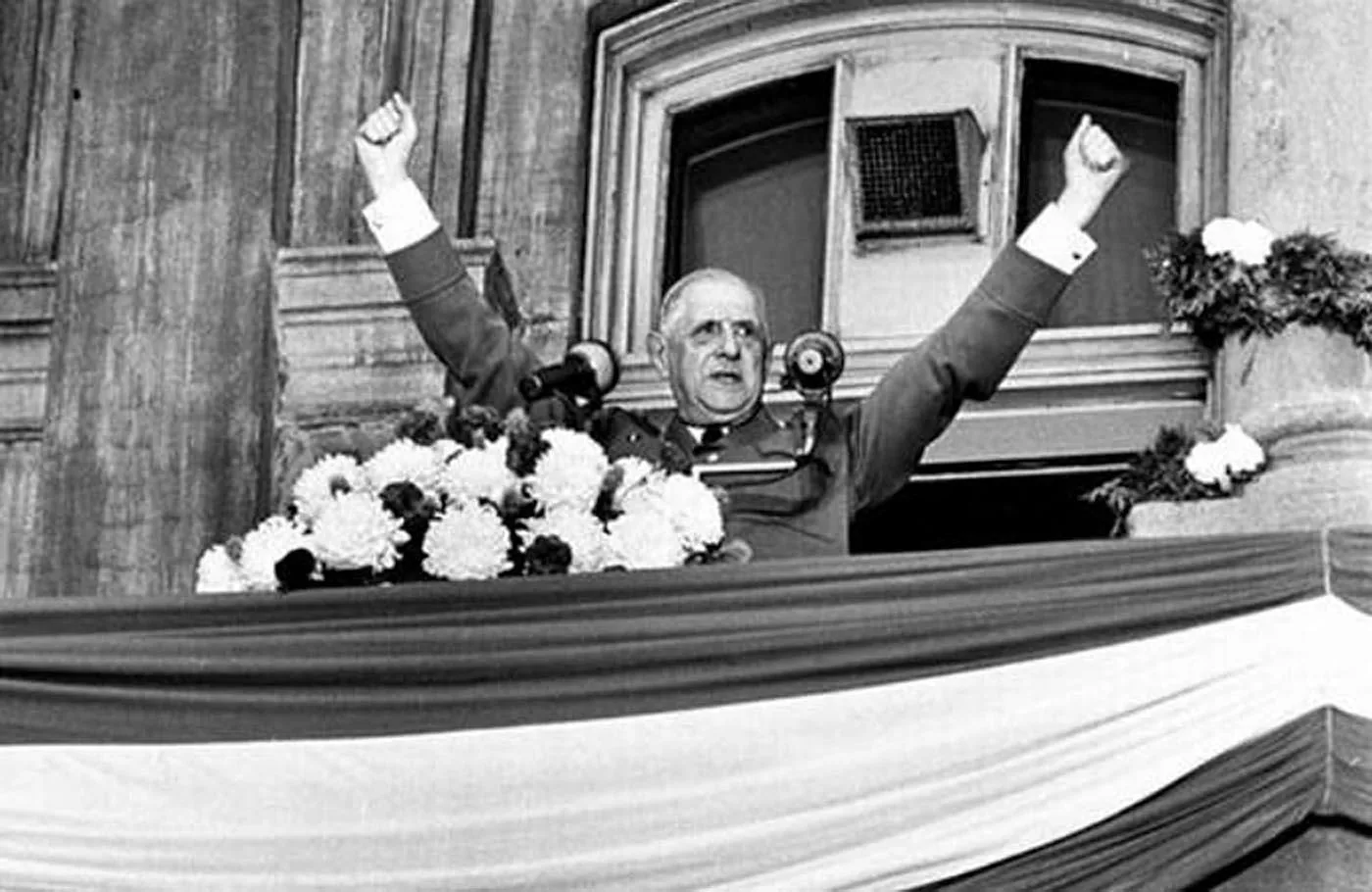
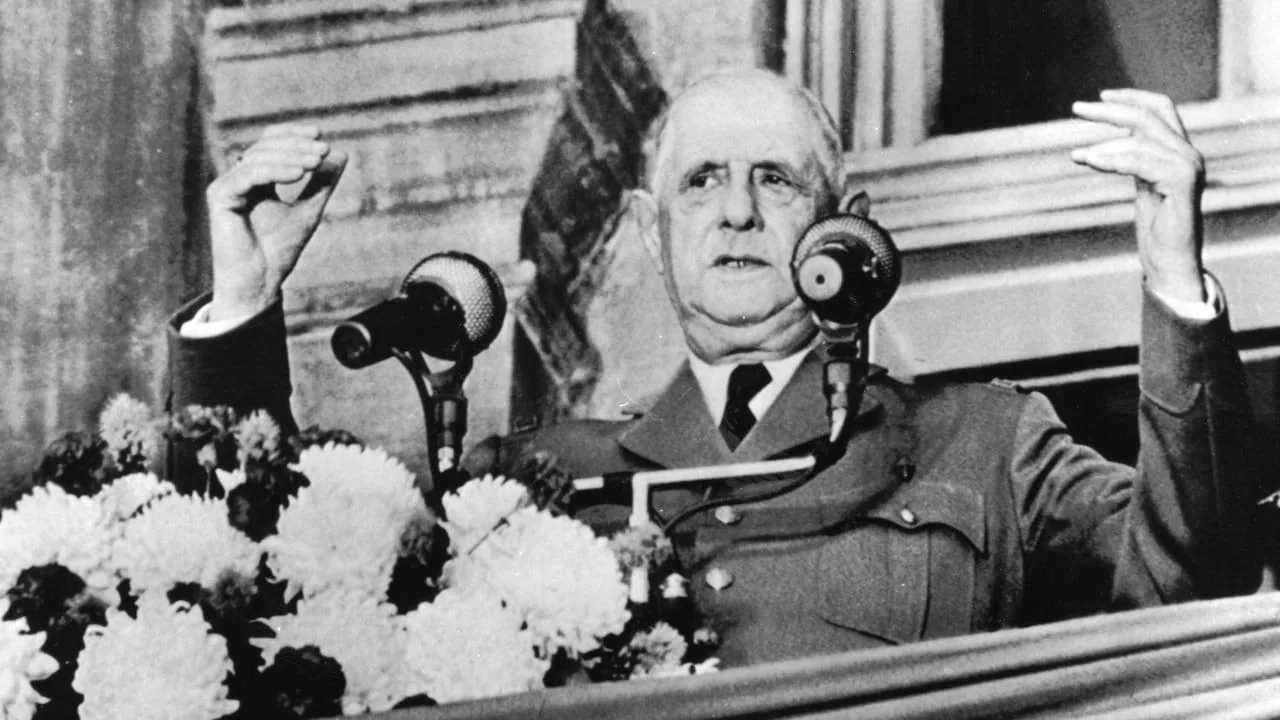
Charles de Gaulle on the balcony of Montreal City Hall, 24 July 1967

24 juillet 1967

Charles de Gaulle

The cry from the balcony

Long live free Quebec!

The Chemin du Roy. Crowds. Then Montreal City Hall. Four words, and Ottawa trembles. A free head of state said aloud what our elites only whispered. The general did not create the desire. He named it before the world.

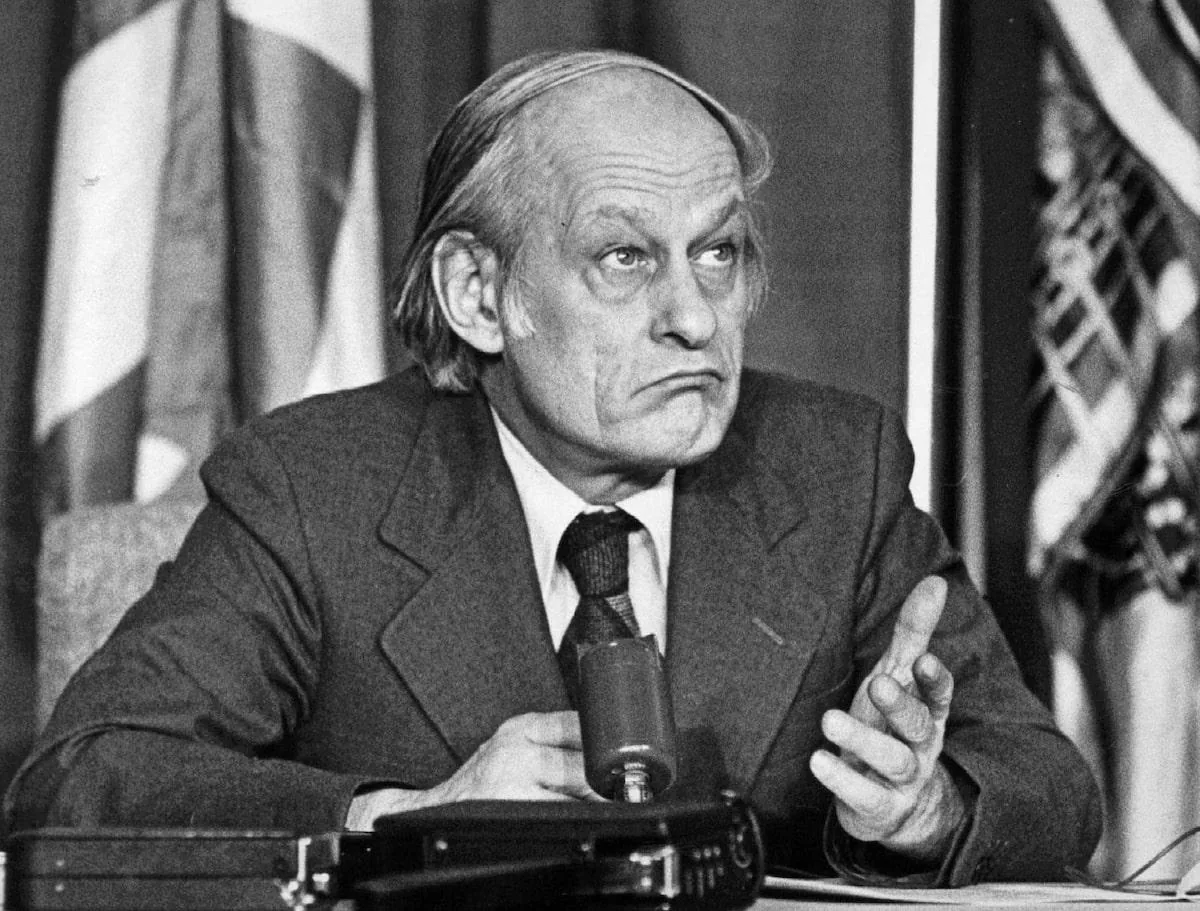
René Lévesque at a press conference

1976–1985

René Lévesque

Premier · Parti Québécois

A country is not a dream. It is an appointment.

The cigarette, the raw voice, Bill 101. He made French non-negotiable. In 1980 the people said no — narrowly, out of fear, out of habit. The appointment has not lapsed. A yes does not expire. It waits.

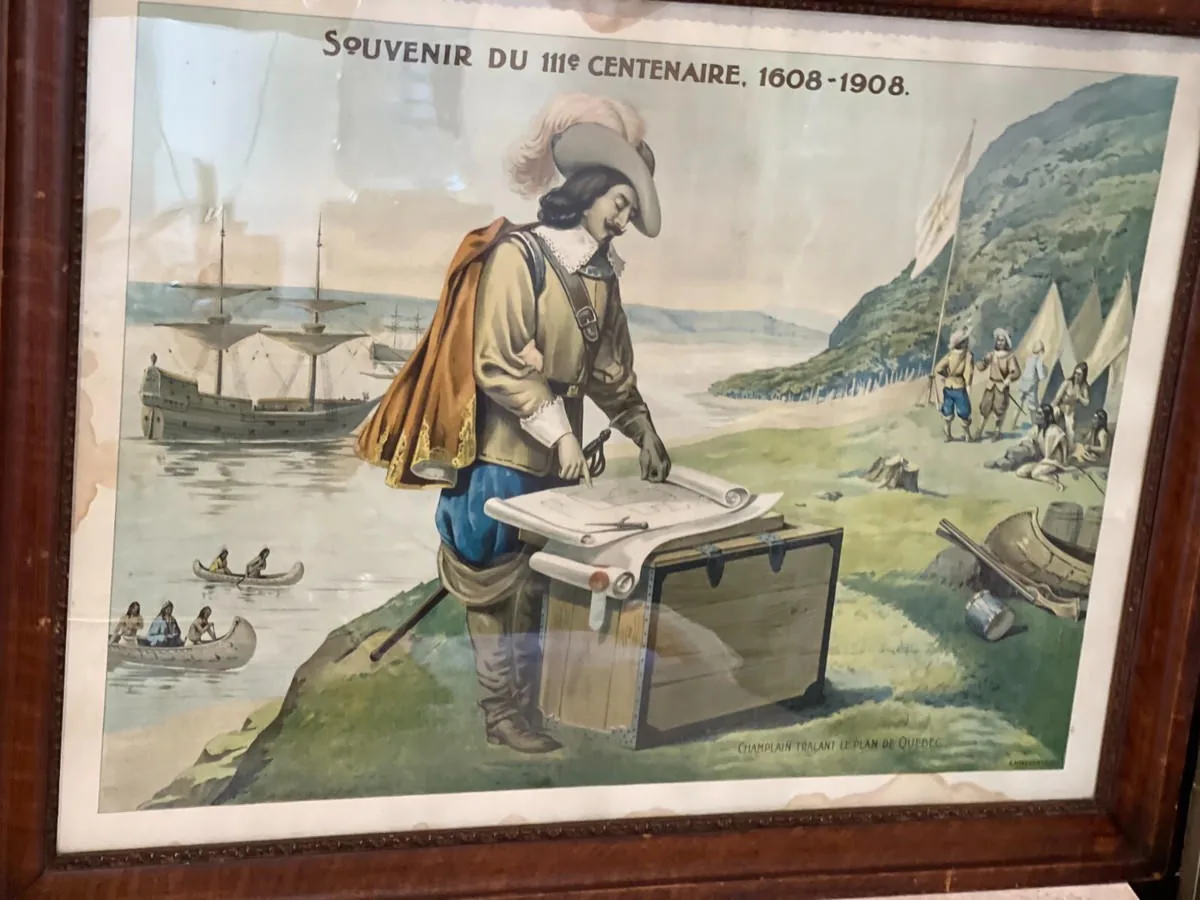
Champlain drawing the plan of Quebec City, tercentenary souvenir, 1908

1534–1608

Everything begins here

We were taught Canada as if it fell from the sky in 1867, with a maple leaf and a railway. That is a polite lie. The word Canada was born on the St. Lawrence, in the mouth of a Breton, above an Iroquoian village. Stadacona. Hochelaga. Quebec. Montreal.

For two centuries, Canadien meant us. French of America. Habitants. Filles du Roy. Coureurs des bois. The others were called the English. This is not nostalgia: it is philology. They took even our name, then explained that the "real" Canada was in Toronto.

Champlain does not "colonise" an empty stage. He plants a settlement, an alliance, a language. 1608. We are one of the oldest European peoples in the Americas. Not a minority. Not folklore. A foundation.
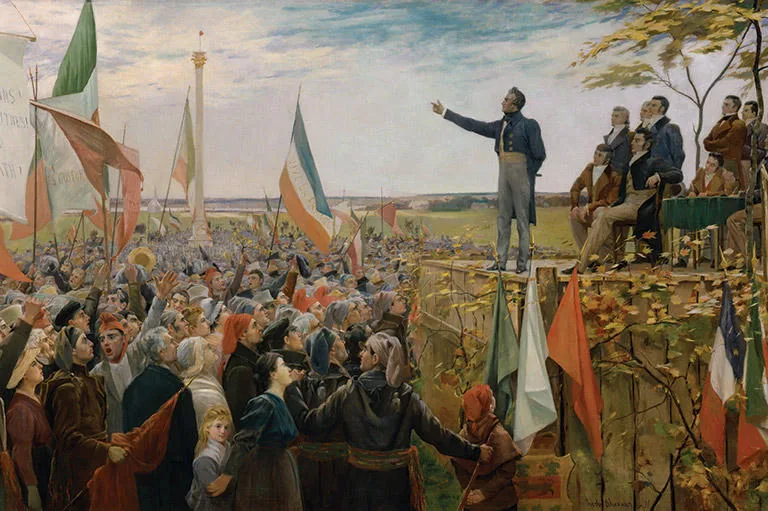
The Assembly of the Six Counties, painting by Charles Alexander Smith

1837–1838

The Patriotes were not a club

Saint-Charles, October 1837. A crowd, a monument, Papineau. Resolutions are voted. A flag is raised. Then Saint-Denis — a victory. Saint-Charles — a defeat. Saint-Eustache — the church shelled, men burned inside the stone. Twelve hanged. Fifty-eight deported to Australia.

Lord Durham then wrote the instruction manual: assimilate the French, because a people without a history deserves no state. Durham is still taught as a reformer. He was a liquidator. The Patriotes did not lose a riot. They kept a country’s first appointment.

Charles de Gaulle, “Vive le Québec libre”, 24 July 1967

Duplessis · De Gaulle · Lévesque

Three men, one sentence

Duplessis held the legal border. De Gaulle held the sentence. Lévesque held the law. Autonomy, a cry, the Charter of the French Language. Three registers, one refusal: we will not be a province like the others, because we have never been a province like the others.

On 24 July 1967, a French general said in Montreal what our pollsters no longer dare to. Long live free Quebec. Ottawa called it interference. A people called it recognition. You do not forget a public baptism.

Lévesque turned the desire into a government. Bill 101. The 1980 referendum. The Night of the Long Knives. A people’s word was cheated, then the people were asked to be good sports. A missed appointment does not cancel the country. It postpones it.

Rites and culture

What we still pass on

A people knows itself at the table, in January, on 24 June, in a stone church, in a woven sash. Folklore is what remains once the country has been taken away. We intend to keep both.

Saint-Jean-Baptiste Day

The 24th of June is not a long weekend. It is a people’s birthday. Bonfires, flags, Gens du pays. A day to remember that we are not a picturesque minority.

The sugar shack

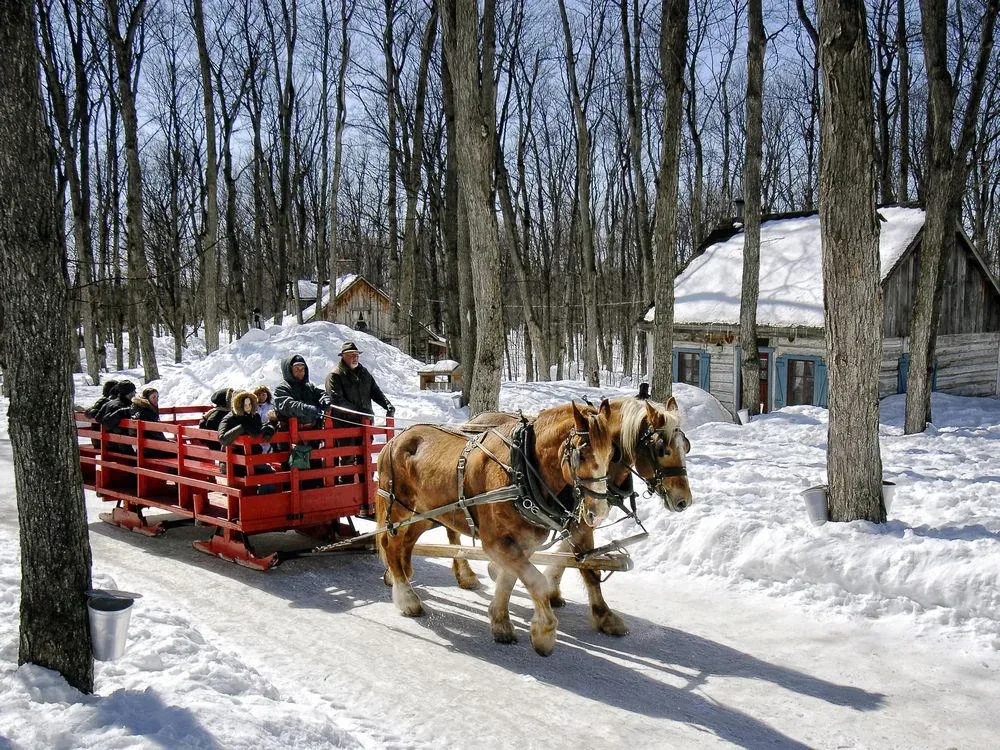
Maple sap, horses, April snow. A rite older than Confederation. You do not invent a nation in an office: you boil it, you pour it, you share it.

The arrow sash

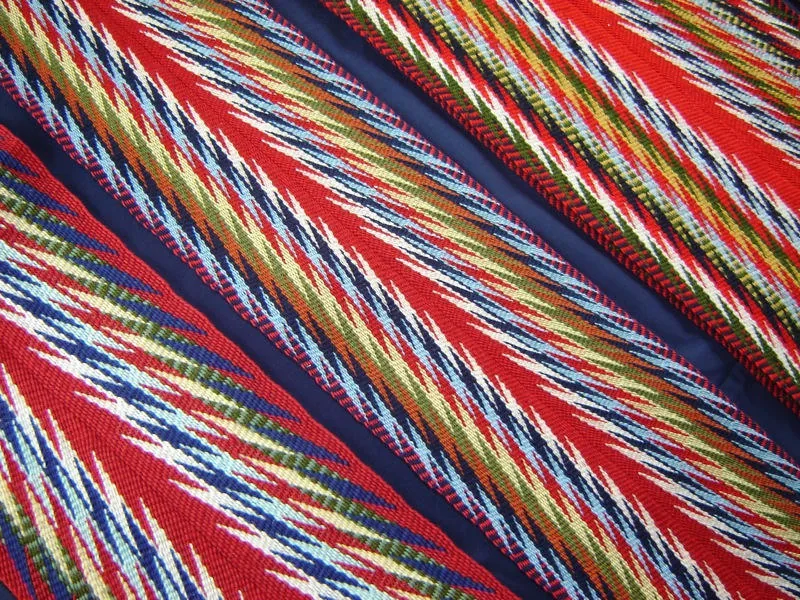
L’Assomption, the arrow pattern, the red. This is not a costume. It is the weave of a people who crossed the winters without asking London what colour their thread should be.

The Civil Code

Elsewhere in Canada: common law. Here: civil law, heir to the Custom of Paris. Two logics. Two civilisations. You do not "bilingualise" a code. You live it, or you lose it.

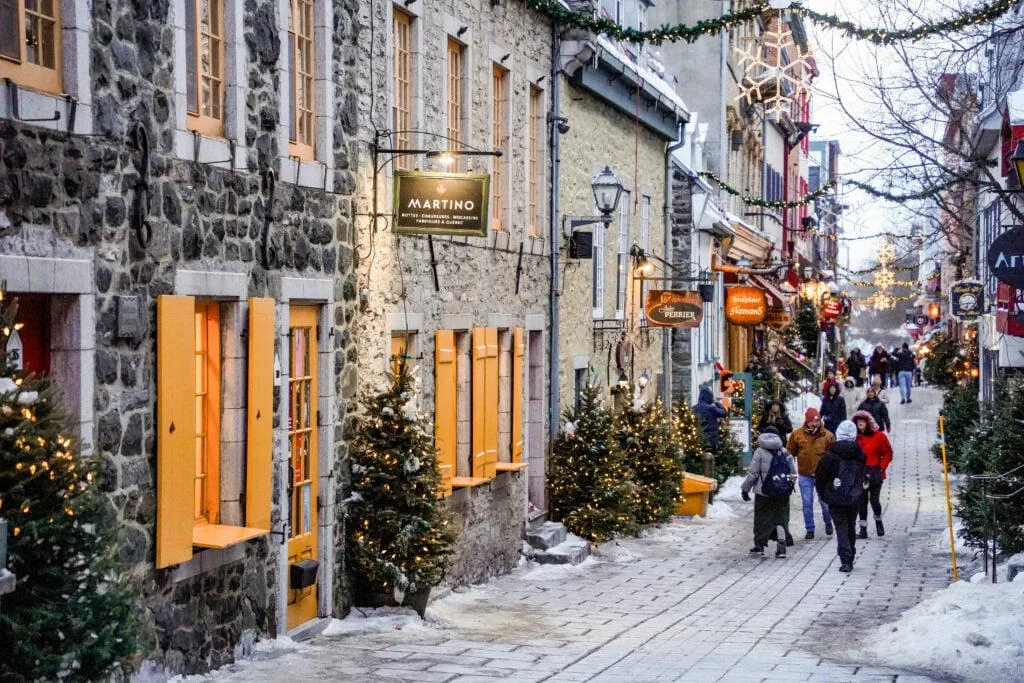
Old Quebec

The only walled city north of Mexico. Stone, steep streets, copper roofs. A backdrop for tourists, they say. No: a proof. We were a capital before we were a province.

The Plains of Abraham

1759. A battle, an empire changing hands. We stayed. The Conquest did not kill the language. We are the ones who sometimes put it away. The plain is a reminder, not a museum.

Song · Pride

A people that sings does not disappear

Before the language laws, there were the songs. Through them Quebec named itself, told its own story, stood upright. A nation that produced Leclerc, Vigneault and Charlebois need not ask permission to exist: it has already written its proof, and we are still humming it.

Félix Leclerc

The father · 1914 – 1988

Félix Leclerc

The first to carry Quebec song beyond Quebec, alone with his guitar. Paris discovered him in 1950 and called him "the Canadian". He came home a national poet. Le P’tit Bonheur, Moi, mes souliers. Before him we sang; after him we wrote ourselves down.

Gilles Vigneault

The country turned into song · born 1928

Gilles Vigneault

Natashquan, the North Shore, winter as homeland. Mon pays ce n’est pas un pays, c’est l’hiver became a proverb. Gens du pays is sung at birthdays by people who do not realise they are singing an anthem. At 97, he still speaks to the people who listen.

Photo : Sors-tu?.ca

Jean-Pierre Ferland

The turning point · 1934 – 2024

Jean-Pierre Ferland

Jaune, in 1970, tipped Quebec song into modernity: bold orchestration, sensuality, album-scale ambition. Un peu plus haut, un peu plus loin remains one of the finest crescendos in French song. He died in 2024.

Raymond Lévesque

One line for the century · 1928 – 2021

Raymond Lévesque

Songwriter, poet, playwright. In 1956 he wrote Quand les hommes vivront d’amour — covered across the French-speaking world, sung at demonstrations and in churches alike. One song can be enough to cross a century.

Ginette Reno

The voice · born 1946

Ginette Reno

Some voices are recognised from a single syllable. Gold and platinum, sold-out halls, fifty years on stage and an 80th birthday celebrated in 2026. Je ne suis qu’une chanson: the title is modest, the performance is not.

Robert Charlebois

Electricity and joual · born 1944

Robert Charlebois

He plugged Quebec song into the mains and made it speak the way people actually speak. Lindberg, Je reviendrai à Montréal. Joual on stage was not vulgarity: it was linguistic sovereignty before the word existed.

Photo : La Presse

Céline Dion

The export · born 1968

Céline Dion

From Charlemagne, Quebec, to the biggest stages in the world. D’amour ou d’amitié before the English years, Pour que tu m’aimes encore after the fame. In 2026, after years of illness, she announced her return to the stage in Paris. French never left her.

Jean Leloup

The free electron · born 1961

Jean Leloup

Eccentric, unpindownable, poet and rocker. I Lost My Baby, Le Dôme. Thirty years of refusing to settle down, and three generations following him anyway. Proof that you can be singular without ceasing to be from here.

Les Cowboys Fringants

A people telling its own story · since 1995

Les Cowboys Fringants

Folk, rock, trad and joyful anger. Les Étoiles filantes, L’Amérique pleure. They sang the suburbs, the rivers, the end of the month and the end of the world. Karl Tremblay died in 2023: Quebec mourned him as one of its own.

Richard Desjardins

Poetry that accuses · born 1948

Richard Desjardins

Songwriter and filmmaker, Abitibi in his bones. Tu m’aimes-tu, the unlikeliest of love songs. His films indict the ravaged forest and the history of Indigenous peoples. In his work, beauty and accusation travel together.

Frédéric Beauchamp

Mandeville · Lanaudière

Frédéric Beauchamp

A musician from Mandeville, in Lanaudière, Frédéric Beauchamp sings this land with an acoustic guitar, a hat and a voice that never needed amplification to carry. His songs speak of country roads, rivers and the people who stay: the music of someone who chose to live in his corner of the country rather than leave it. A rising Lanaudière artist proving that songs written in French can still stand on their own, around a fire as well as on a stage.

Cœur de pirate

Montreal · singer-songwriter

Cœur de pirate

Béatrice Martin, born in Montreal in 1989, took the name Cœur de pirate and, from her first album in 2008, brought a piano-driven French chanson across the Atlantic: “Comme des enfants” played on repeat in Quebec and in France alike. She followed with Blonde, Roses, en cas de tempête, ce jardin sera fermé, Impossible à aimer and Perséides. A fragile, precise voice, unapologetically French lyrics, and proof that an artist from here can fill halls across the French-speaking world without giving up her language.

Gens du pays, it is your turn to let yourself be spoken to of love. We sing it at every birthday. We forget that we are singing a country.

Why we are not the ROC

A civilisation, not a province

We are told over and over that we are Canadians who happen to speak French. It is the other way round. We are a French people of America, onto whom a passport was stuck. The difference is not an accent. It is an origin.

A language, not a service

French is not a bilingual option. It is the house itself. Elsewhere in Canada it is a translation. Here it is the sentence first. A people speaking its own language is not being "inclusive". It is alive.

A legal tradition, not a copy

Civil code against common law. The Custom of Paris against Westminster. We did not "adopt" Canada: Canada was built partly on our backs, and then declared the building a joint effort.

A memory, not a museum

Filles du Roy, Patriotes, Dollard, Carillon, Saint-Jean. The rest of Canada has imperial heroes. We have survivors. Not the same church, not the same winter, not the same table.

A pact, not a province

1867 was not the arrival of a tenth tenant. It was a pact between two peoples. The pact was diluted by adding chairs. A founding people is not one seat among ten.

The duty

A heritage without a country is a costume.

You can sing Gens du pays, eat the maple taffy, raise the fleurdelisé on 24 June — and go home on the 25th to a federation that decides who enters, who speaks, who teaches. That is folklorisation. Our heritage demands something else: borders, a language that no longer has to apologise, a school that tells our dead, a state that says no. Independence is not nostalgia. It is the only way not to betray Champlain, the Patriotes, Lévesque — and our children.

Masters in our own house. Not tenants. Long live free Quebec.

Newsletter

Get the columns by email

When a column is published, you receive it. No ads, no address-selling.

Your address is used only for the newsletter. It is neither sold nor shared.