Column · 5 September 2026
3 lectures
Josh D’Amaro at Disney: at last, wonder instead
Since March 18, 2026, Josh D’Amaro — a parks man, not a studio creature — has been at the helm of Disney. His first message set the course: story and creative excellence as the North Star. For parents tired of watching children’s films turn into lessons, this is rare and welcome news: that Mickey might become a dream again, not a program.

Since March 18, 2026, Josh D’Amaro — a parks man, not a studio creature — has been at the helm of Disney. His first message set the course: story and creative excellence as the North Star. For parents tired of watching children’s films turn into lessons, this is a rare and welcome piece of news: that Mickey might become a dream again, not a program.
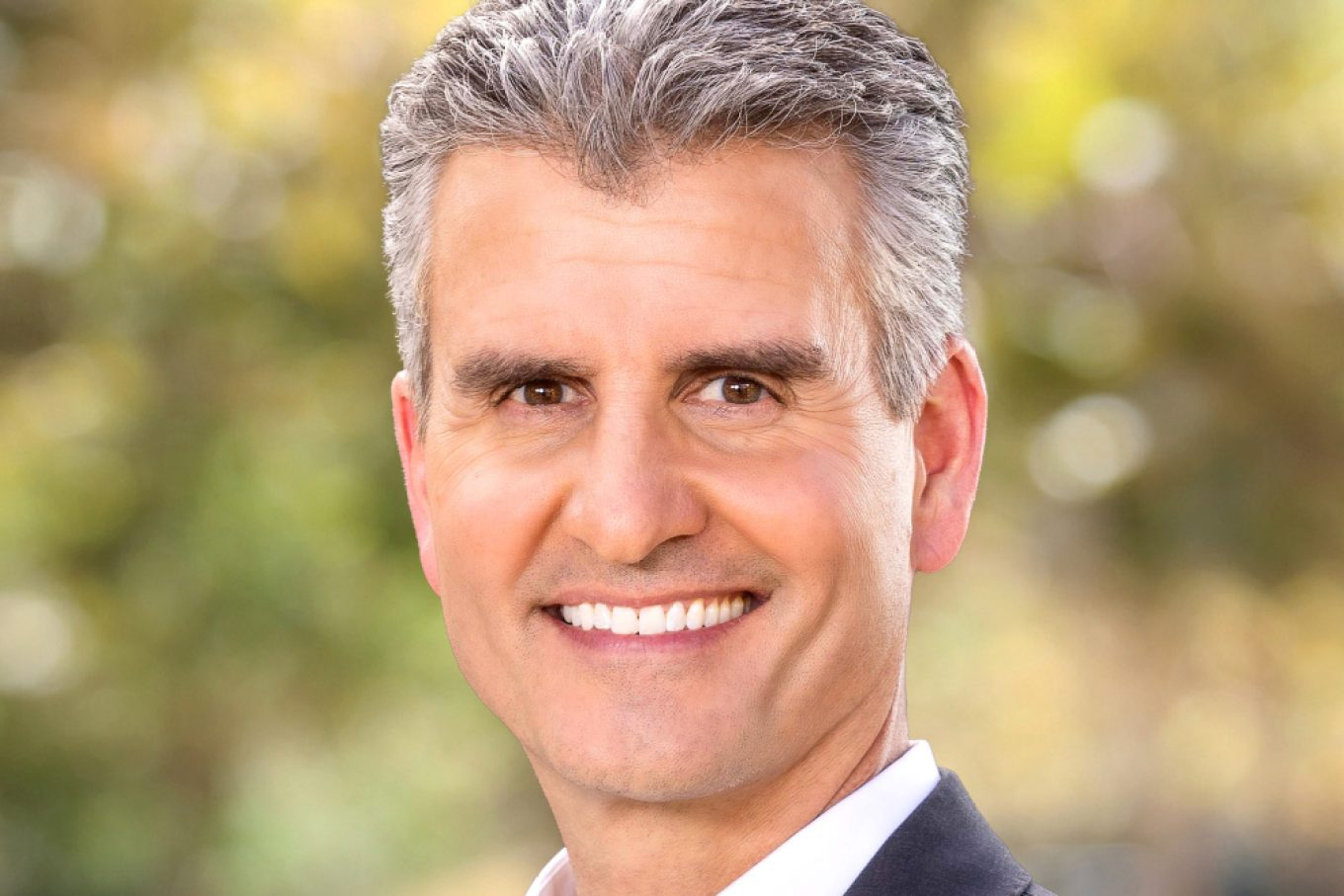
Some news actually warms a parent’s heart. This is one of them.
On March 18, 2026, Josh D’Amaro, a 28-year Disney veteran and former head of parks and experiences, officially succeeded Bob Iger. He is not a Hollywood salon executive. He spent his career making magic tangible: parks, cruises, the tiny details that make a five-year-old’s eyes go wide. And in his first note to employees, he set the course:
“Great storytelling and creative excellence will remain our North Star.”
That sentence should make anyone smile who, for years, has pressed play on a Disney title with a knot in the stomach.
Too many lectures. Not enough dreams.
For too long, part of the catalogue — especially the one aimed at children — seemed designed first to teach, correct, and signal, and only then to tell a story. Films and series where the message arrived before the plot. Classics preceded by moralizing warnings. An obsession with “representation” that too often replaced the force of a character, an adventure, a world.
The result? Parents who hesitate before hitting play. Children who get a lecture instead of a dream. And a magic that thins out.
A children’s film does not have to indoctrinate. It does not have to brainwash. It does not have to turn the theater — or the living room — into an ideological classroom.
Its first job is nobler, and simpler: to make us dream, to open the imagination, to give children a taste for adventure, loyalty, courage, wonder. That is what The Lion King, Beauty and the Beast, Toy Story, and Peter Pan did. You walked out larger — not more politicized.
A course that finally changes the tone
D’Amaro talks about stories that create a deep emotional connection, the kind you carry for a lifetime. He talks about technology in the service of storytellers, not the other way around. He reminds us that Disney, at its best, suspends disbelief and carries you away.
That is exactly what families are waiting for.
The turn did not start on his first day. Under Iger, Disney had already begun stripping the most ostentatious DEI language from its reports, softening the warnings on classics, and recentering the pitch on “entertain first.” The new CEO, forged in the parks rather than the studios, embodies that priority even more clearly: experience, emotion, the detail that makes the magic.
The signals — a cruise ad that simply celebrates fathers and sons, the push for “One Disney” and unified storytelling — point the same way.
It will take time. Projects in the pipeline have a two- or three-year head start. But the stated course matters. When the boss says creative excellence is the North Star, he is sending a clear message to writers, directors, and teams:
Tell a story that stands on its own. Make us believe in a world. Make us dream. The rest will follow.
What children actually deserve

Children do not need to be told how to think. They need worlds large enough to hold their own fears, their own hopes, their own imagination.
That is Walt Disney’s real inheritance. Not a lecture. A wish.
If Josh D’Amaro keeps his word, Disney can become again what it should never have stopped being: a place where people still believe the stars exist so we can wish upon them.
And for a generation of children, that is very good news.
Emmanuelle Beauchamp